

Is red light therapy dangerous? Clinical results and precautions for use (2026)
Key takeaways (TL;DR)
Safety: Photobiomodulation emits a safe, cold light, often mistakenly confused with UV lamps.
Efficacy: Clinically proven for anti-aging (633 nm) and wound healing (850 nm).
Quality: Check for FDA / UKCA/ CE conformity (IEC 62471 standard), which guarantees a reliable device.
Contraindications: Use is not recommended in cases of epilepsy, history of skin cancer, photosensitizing treatments or during pregnancy.
LED technology is now scientifically validated for its visible benefits on radiance, firmness, and skin tone. But what do clinical studies say about its safety? And how can you use red light without side effects? Bondi Body guides you to rejuvenate your skin safely with photo bio modulation.
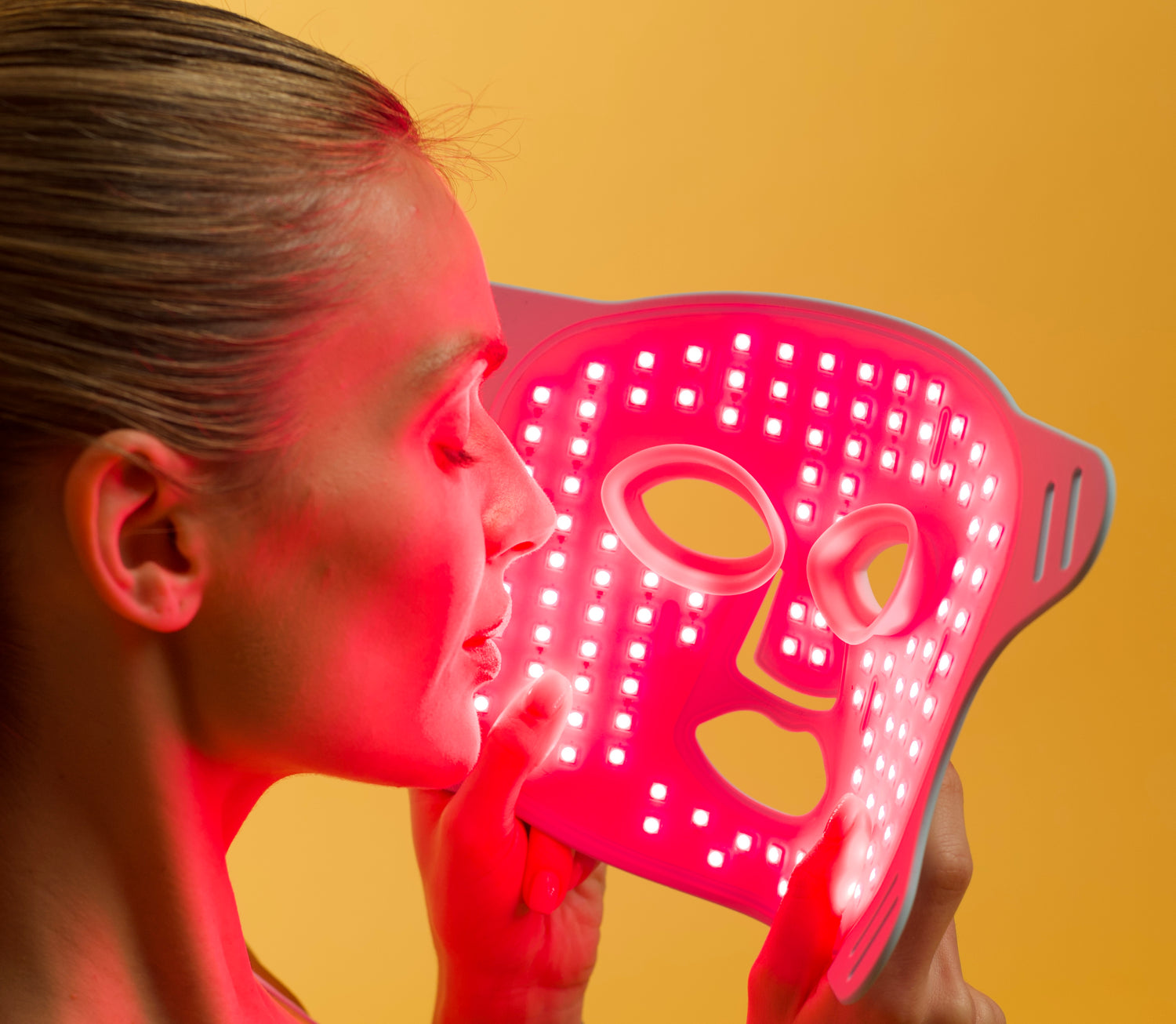
Is photobiomodulation safe? What clinical studies say:
Photobiomodulation (PBM) has established itself in recent years as a leading technology in aesthetic dermatology. Used to stimulate cell renewal, improve skin quality, and support the skin's natural regeneration mechanisms, it now rests on a solid scientific foundation. Here's everything you need to know about the safety of LED masks .
Red light (633 nm) and near-infrared light (830 nm) emit non-ionizing radiation , meaning light energy that does not cause any alteration (ionization) to the molecular structure or DNA of cells. This is their main difference from UV rays, which are ionizing, capable of damaging DNA, inducing cell damage, and accelerating skin tissue aging.
- The use of precisely calibrated wavelengths allows for the stimulation of cytochrome C oxidase, a key mitochondrial enzyme, thereby boosting ATP production without creating harmful oxidative stress. Some studies show that, at controlled doses, photobiomodulation can even positively modulate oxidative stress and combat free radicals by activating the cells' natural antioxidant mechanisms.
Three key points to remember for safe use
1. Global Certifications
Check the displayed standards: a safe and reliable light therapy device should bear the UKCA / FDA CE marking (IEC 62471 standard) . Similarly, a very low-priced LED face mask is often a sign of poor quality, proving ineffective or even dangerous. Therefore, research the brand and user reviews.
2. Eye protection
Even if protective glasses are not always provided, a good quality LED device is designed to block or filter the cold light emitted at eye level, thanks to an integrated eye protection device (opaque or filtering shell).
When wavelengths are correctly calibrated, particularly in the red light spectrum, the risk to the eyes remains very low under normal conditions of use because LED light is a cold light.
On the other hand, poorly regulated LEDs, particularly blue light , can expose the retina to light stress, especially with low-end devices.
3. LED quality and irradiance
High-quality red light devices deliver an irradiance of 30 to 50 mW/cm² , sufficient to activate photobiomodulation mechanisms without thermal excess (cold light).
Similarly, it is important to choose a photobiomodulation machine that uses a precise and documented wavelength .
Some "low-end" models may use poor quality LEDs, which do not have good light output: to compensate, they increase the electrical power, which generates unnecessary heat without achieving the optimal irradiance needed for effective skin stimulation.
What to Look for When Choosing an LED Face Mask
With the rise in at-home beauty technology, LED face masks have become a staple in many skincare routines. However, not all devices are created equal. Understanding what to look for can make the difference between real results and wasted investment.
Certification Matters
One of the first things to consider is whether the device meets recognised safety standards. Certifications such as FDA, UKCA, or CE marking indicate that a product has been assessed for safety and compliance.
You may also come across IEC 62471 — an international standard that evaluates the photobiological safety of light-based devices, including LED masks. In simple terms, this ensures the light emitted is safe for both your skin and eyes when used correctly.
Choosing a certified device provides reassurance that it meets established safety and performance benchmarks.
The Importance of Wavelengths
LED therapy works by delivering specific wavelengths of light into the skin. Red light at 633nm and near-infrared light at 830nm are widely recognised for their ability to support collagen production and improve skin tone.
Lower-cost devices often use mixed or poorly calibrated LEDs, which can dilute effectiveness. In some cases, exposure to poorly controlled blue light may even contribute to oxidative stress rather than delivering skin benefits.
Precision matters when it comes to results.
Don’t Overlook Eye Protection
Eye safety is a crucial but often overlooked factor. High-quality LED masks are designed with built-in protection, such as an opaque shield or protective eyewear.
Devices that rely on simple cut-out holes without proper validation may not provide adequate protection from light exposure. A well-designed mask should prioritise both safety and comfort.
After-Sales Support Is Key
Finally, consider the level of support offered after purchase. Reliable brands provide dedicated customer service, responsive support, and efficient replacement processes if needed.
This is often a strong indicator of product quality and brand confidence — and something that lower-cost alternatives frequently lack.
Frequently Asked Questions (FAQ)
Does photobiomodulation pose a danger to DNA?
No. Unlike UV light, red and near-infrared light (633 nm and 830 nm) belong to a non-ionizing spectrum. It does not alter the molecular structure or DNA of skin cells.
Should you protect your eyes under an LED mask?
Although red light is cold and presents a very low risk, a certified device must have an opaque protective casing or provide suitable glasses to avoid glare and filter blue light if present.
What is the ideal intensity for an effective LED mask?
Clinical studies recommend an irradiance between 30 and 50 mW/cm². This intensity is sufficient to activate ATP production without generating excess heat.
Sources and scientific studies:
Study on the mechanisms of skin regeneration by light (PubMed)